
Annie's, Tom's of Maine and hello were all bought out. What lab tests found in them, and what they don't prove
Phthalates in mac and cheese powder, lead in kids' toothpaste, and a bread brand that got better. A buyout date is not a verdict; test results are.

Emily Harper
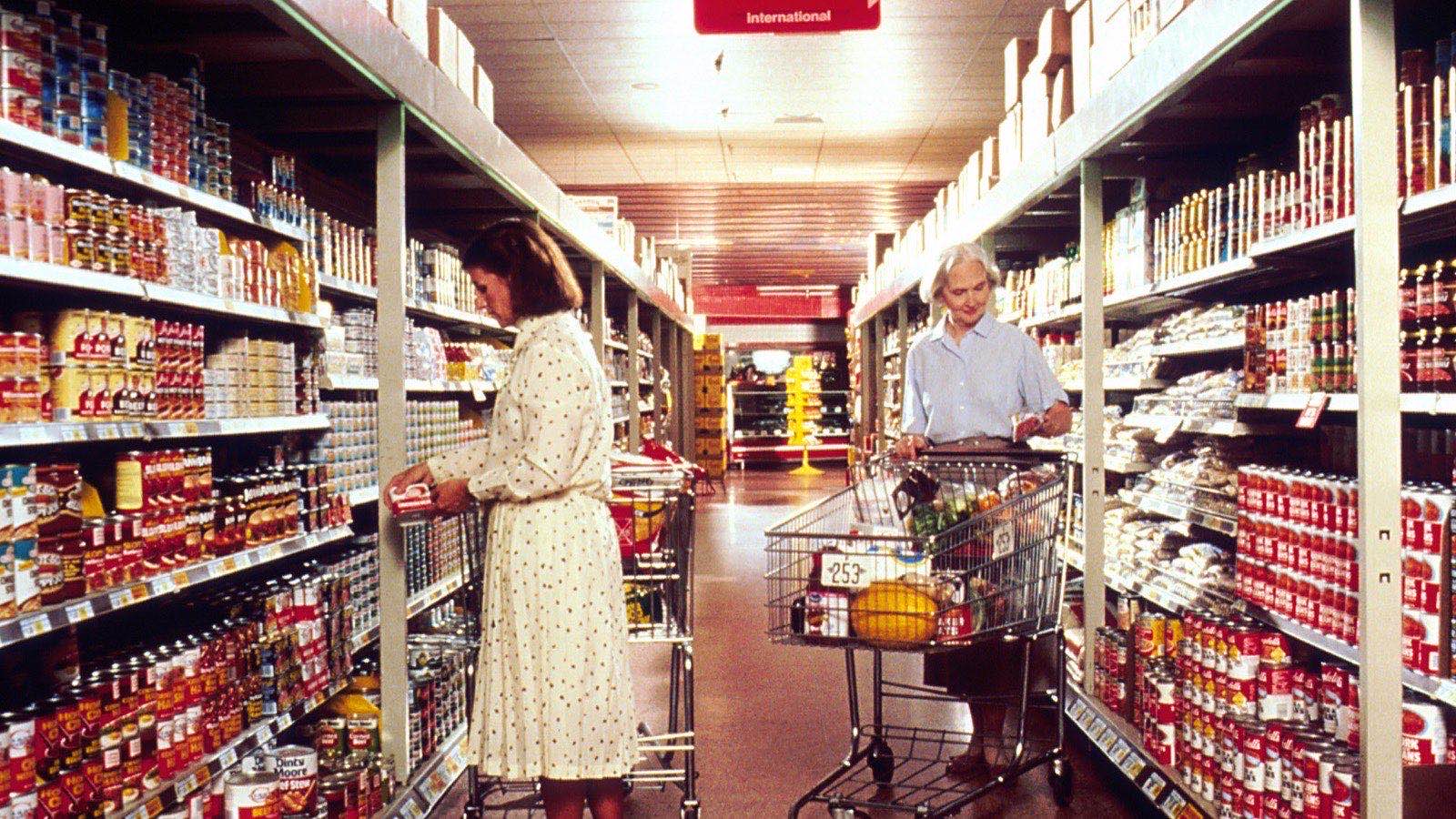
Three brands built their names on being the gentler choice: Annie's for mac and cheese, Tom's of Maine and hello for toothpaste. All three now belong to giant companies, and all three show up in lab results that most shoppers have never seen. The tempting story is "they sold out, and the product got worse." The data tells a more careful one, and a more useful one.
Annie's: the mac and cheese powder
General Mills agreed to buy Annie's in September 2014 for about $820 million, according to its SEC filing. Three years later, a coalition of health and food-safety groups tested 30 cheese products from US stores. According to the coalition's press release, phthalates turned up in 29 of the 30, and in all ten mac and cheese powders. Phthalates are industrial plasticizers used in plastics, rubber and coatings, and they can migrate into food from equipment and packaging. On a fat basis, the powders averaged more than four times the level in blocks of hard cheese.
The release put the spotlight on Kraft, where eight of nine samples contained phthalates. Annie's responded by publicly pledging to "work with our trusted suppliers to eliminate ortho-phthalates" from the packaging and processing equipment behind its cheese and cheese powder. We did not find a public report confirming what changed in the product afterward, and we did not find an up-to-date FDA position. The coverage we read says the agency had declined to ban these chemicals and was reviewing petitions.
Notice what is missing from that timeline: nothing shows the buyout caused the phthalates. The test was of a whole category of powdered cheese.
Tom's of Maine and hello: the toothpaste
Colgate-Palmolive bought Tom's of Maine in 2006 and hello in January 2020 for $351 million cash. Both still sell as the natural option.
In 2025, the consumer-safety consultant Tamara Rubin of Lead Safe Mama published a chart of 51 toothpastes from lab testing. Lead was detected in 46 of the 51 (90%). Here is what her April 22, 2025 update lists for the kids' products in this story, in parts per billion:
| Product | Lead (ppb) |
|---|---|
| Tom's of Maine Toddler Natural Toothpaste, Mild Fruit | 210.0 |
| Tom's of Maine Kid's Natural Toothpaste, Silly Strawberry | 240.0 |
| hello Dragon Dazzle (with fluoride) | 428.4 |
| hello Fluoride Free Toothpaste, Fresh Watermelon | 493.0 |
Context matters here, and the same chart supplies it. Reporting on the project says the FDA allows up to 10,000 ppb of lead in fluoride-free toothpaste and that none of the tested products exceeded it. Washington state uses a stricter 1,000 ppb limit, which three smaller brands exceeded. Every product in the table above is under both numbers. The top of the chart is also real: Dr. Brown's baby toothpaste, Kids' Spry gel, Pegciz foam and Orajel Training toothpaste all came back non-detect for lead, so a clean result is possible.
Two caveats before anyone throws out a tube. This is one consultant's testing, not a peer-reviewed study, and each product appears to be a single result. And lead showed up across big-name and indie brands alike, so this is a category problem, not a Colgate problem.
The counterexample: Dave's Killer Bread
Flowers Foods paid about $275 million for Dave's Killer Bread in 2015. If buyouts reliably ruined products, this is where it would show. In Florida's 2026 bread testing, though, the two Dave's loaves came in at 11.85 and 10.38 ppb of glyphosate, against 190.23 ppb for a Nature's Own loaf from the same parent company. We broke that table down in our bread post. Same owner, a gap of roughly 18 times.
What this actually tells you
- The buyout date is not a verdict. The Annie's story is a phthalate finding that a whole product category shared. Dave's did fine under new ownership. For the older story of what changed after other buyouts, see our look at Burt's Bees, Applegate and Honest Tea.
- "Legal" and "clean" are different questions. Every number in the toothpaste table is under the federal limit, and none of it is on the front of the tube.
- The label cannot answer it. Phthalates and trace lead are contaminants, not ingredients, so they never appear on an ingredient list.
- Test results beat brand stories, in both directions.
Where Tallow fits
This is the situation Tallow is built for: you do not want to research who owns a brand, you want to know about the product in your hand. Scan it and you get an ingredient breakdown and a score, and where lab results exist for a product, they feed into it.
The two tested kids' toothpastes are on there. As of October 8, 2026, Tom's of Maine Kids Fluoride-Free Silly Strawberry and hello Fresh Watermelon Fluoride Free Kids Toothpaste both show a score of 15 out of 100 in search. Open each page to see what drives the number, and check the swaps listed there. Scores can differ between listings of the same brand, so scan your own tube or box.
Figures come from the sources linked above. Tallow did not run these tests, and none of the products here were recalled or found in violation of a federal limit. Product scores were read from Tallow search on October 8, 2026. This is not medical advice.