
Marks & Spencer Fine Sea Salt
100Clean
Ingredients · 1
GoodCautionAvoidHealthier swaps
Same shelf, cleaner ingredients
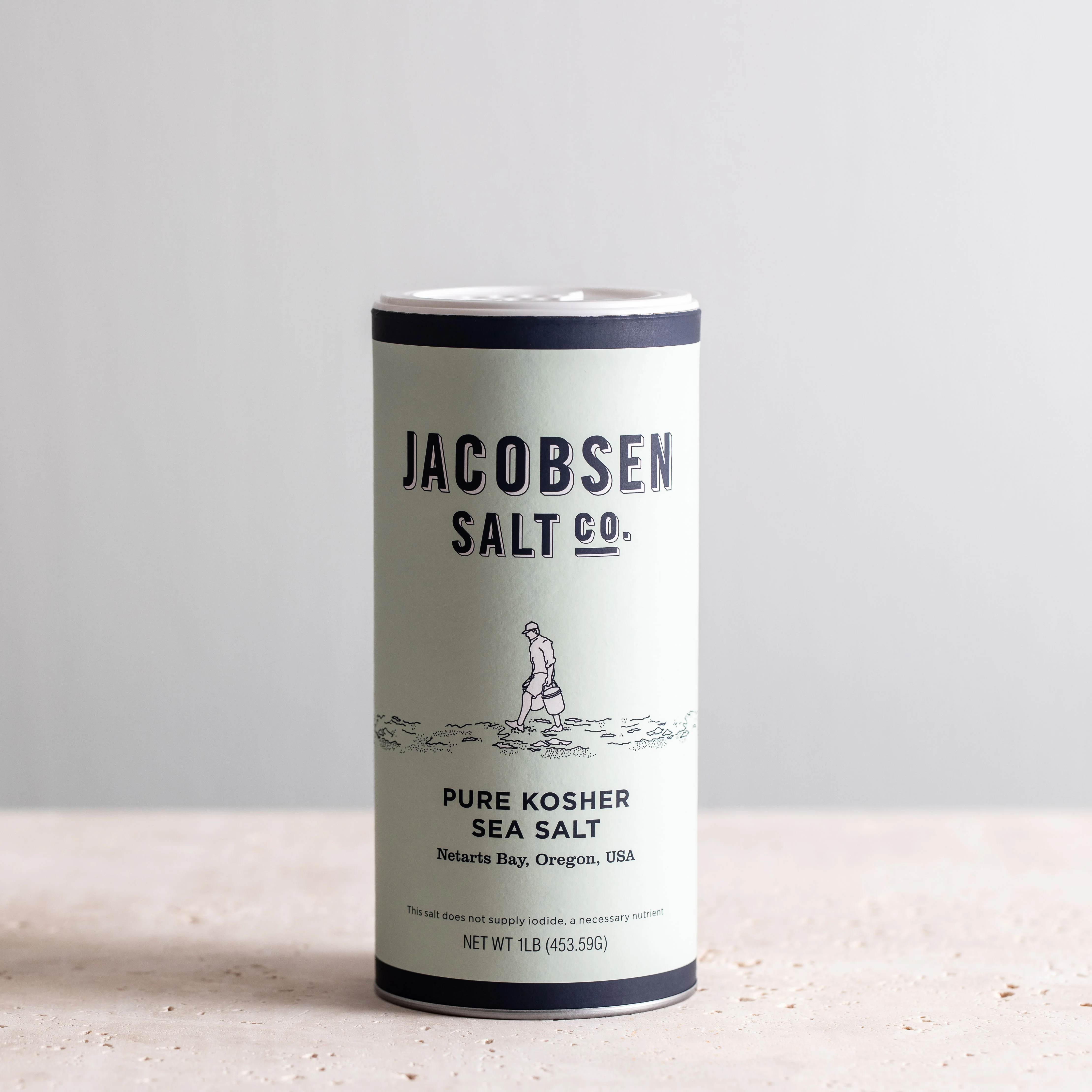
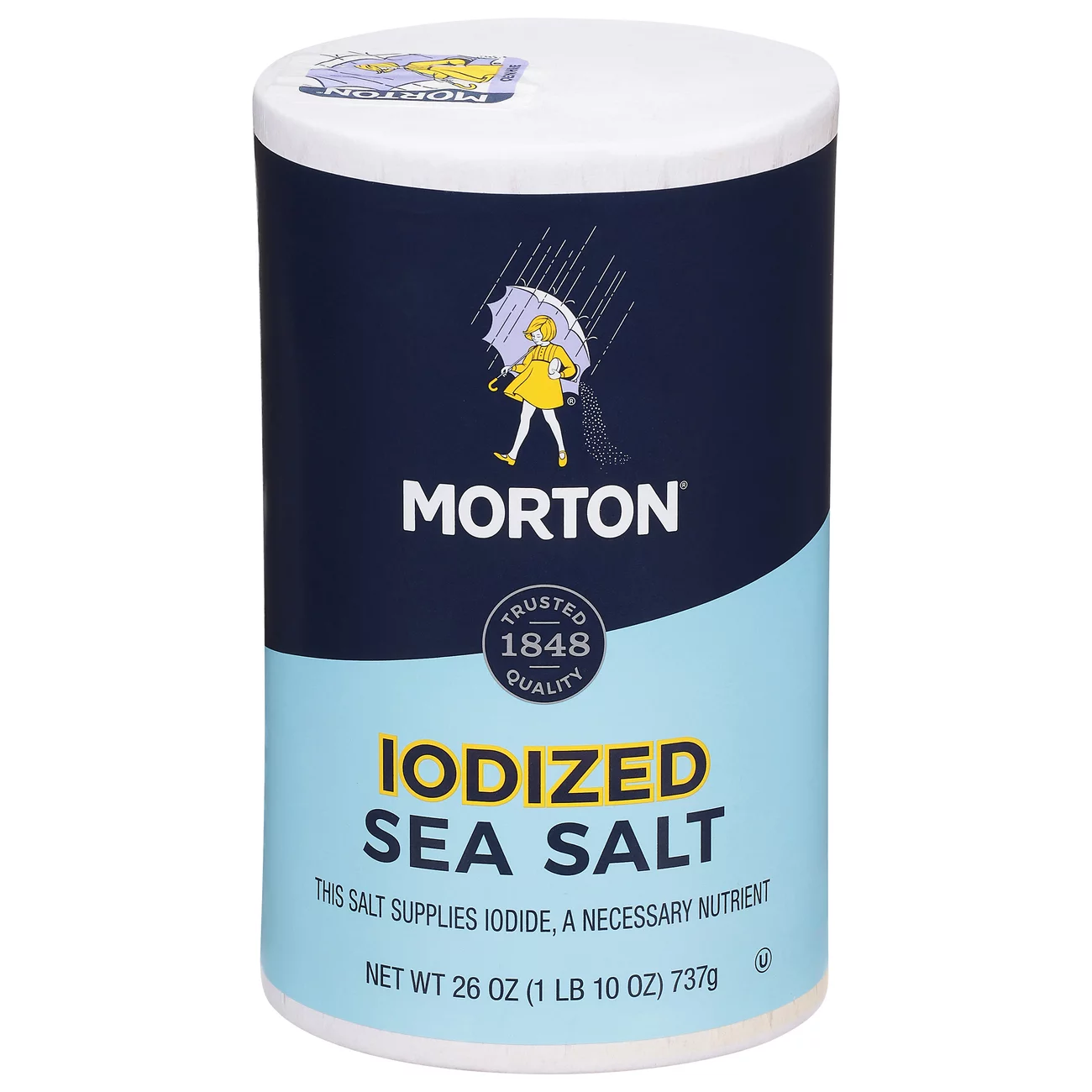
Common questions
Is Marks & Spencer Fine Sea Salt healthy?
Marks & Spencer Fine Sea Salt scores 100/100 on Tallow — our clean band. That number comes from what is on the label: the ingredients, how processed it is, and what it is packaged in. It is not a verdict on your diet — Tallow does not weigh calories, portion size or how often you eat it, so a high score means the ingredients are clean, not that the food is unlimited.
What is in Marks & Spencer Fine Sea Salt?
Marks & Spencer Fine Sea Salt lists 1 ingredient, starting with Sea Salt. Ingredients are listed in descending order by weight, so the first few make up most of what you are eating.
Does Marks & Spencer Fine Sea Salt contain seed oils?
No. Nothing in Marks & Spencer Fine Sea Salt’s ingredient list matches a seed oil — canola, soybean, corn, cottonseed, grapeseed, sunflower, safflower, rice bran or peanut oil, or an unspecified "vegetable oil".
How processed is Marks & Spencer Fine Sea Salt?
We don’t have a NOVA classification on file for Marks & Spencer Fine Sea Salt yet, so the processing axis scores it neutrally.
How does Marks & Spencer Fine Sea Salt compare to other spices & seasonings?
At 100/100 Marks & Spencer Fine Sea Salt sits in our top band, among the better spices & seasonings we have scored.
Is Marks & Spencer Fine Sea Salt organic?
Marks & Spencer Fine Sea Salt is not certified organic in our data.
Has Marks & Spencer Fine Sea Salt been lab tested?
Not yet. No independent lab has published results for Marks & Spencer Fine Sea Salt, so its score is based on its ingredient list, processing and packaging alone.
Full methodology: how we score products.