Grace Eau de coco
100Clean
Ingredients · 1
GoodCautionAvoidHealthier swaps
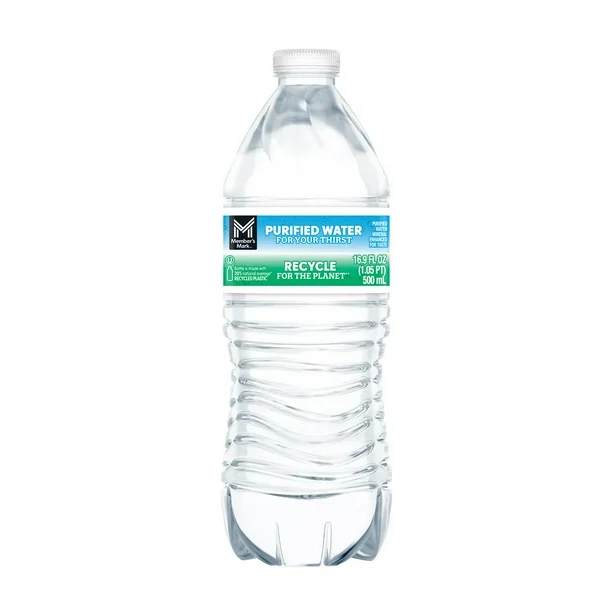
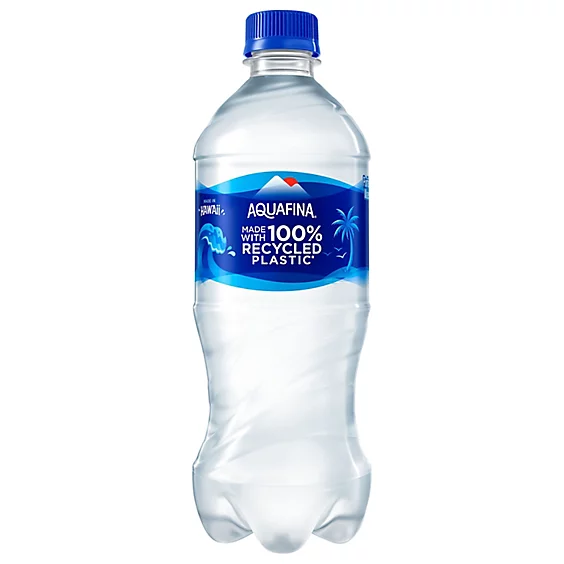
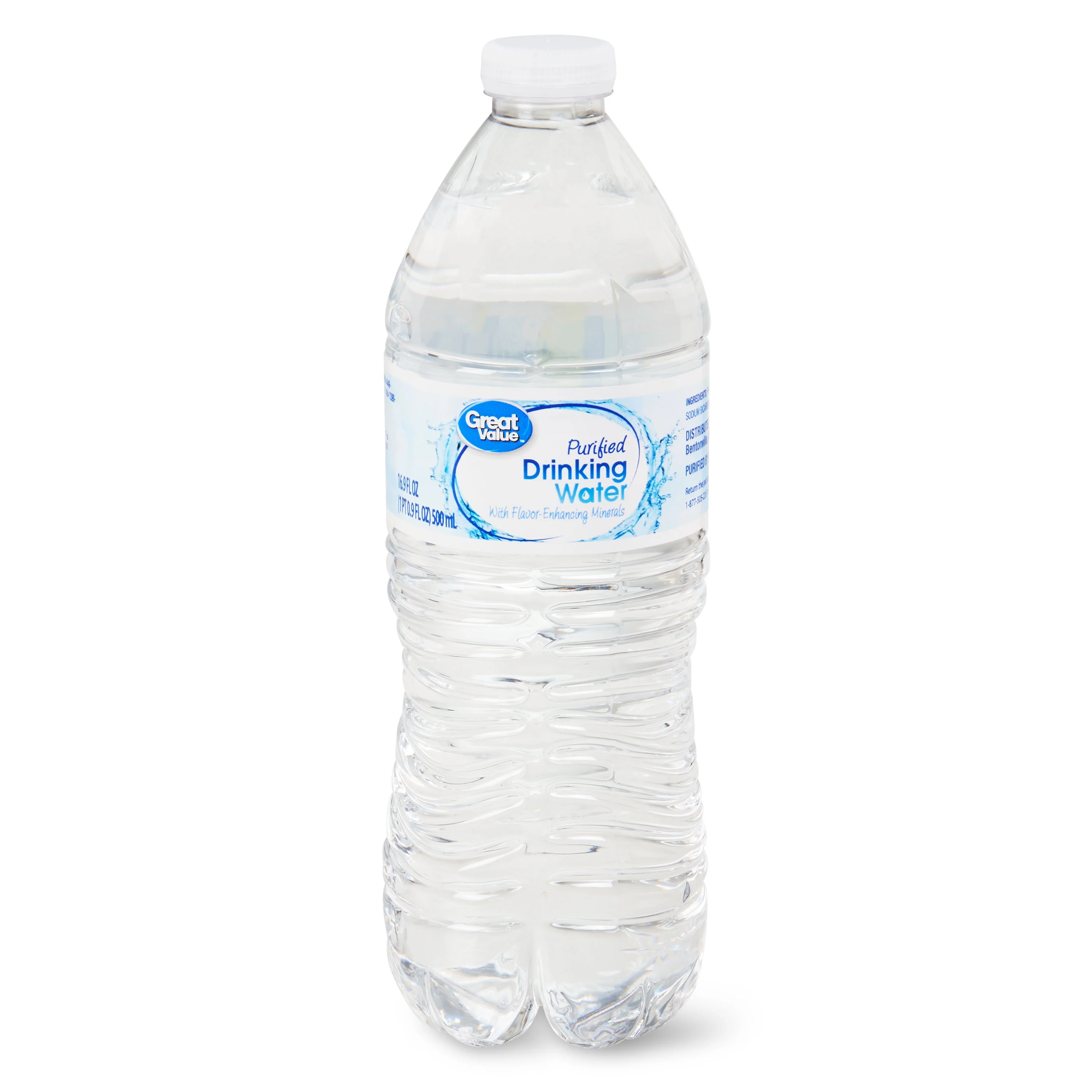
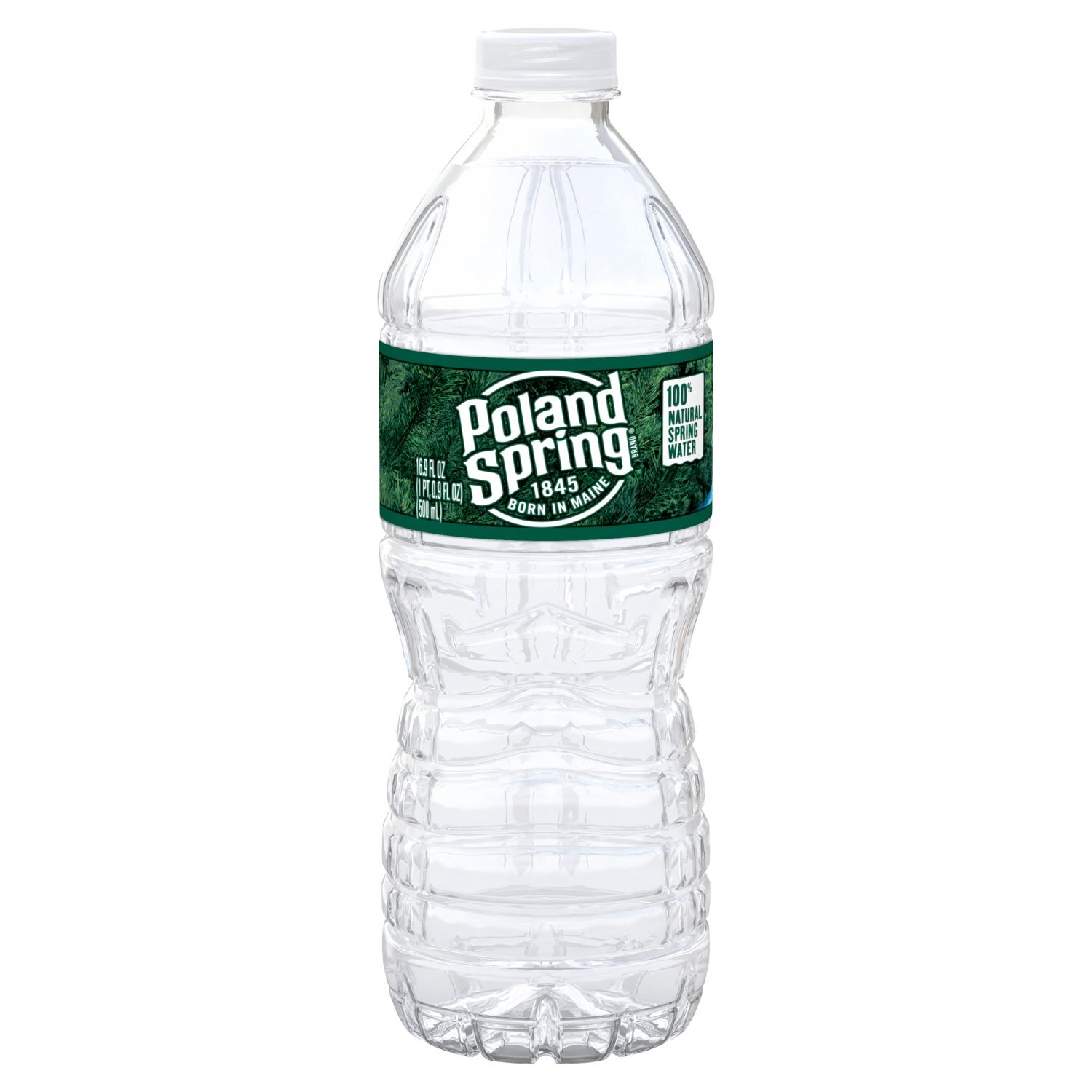
Same shelf, cleaner ingredients
Common questions
Is Grace Eau de coco healthy?
Grace Eau de coco scores 100/100 on Tallow — our clean band. That number comes from what is on the label: the ingredients, how processed it is, and what it is packaged in. It is not a verdict on your diet — Tallow does not weigh calories, portion size or how often you eat it, so a high score means the ingredients are clean, not that the food is unlimited.
What is in Grace Eau de coco?
Grace Eau de coco lists 1 ingredient, starting with Coconut Water. Ingredients are listed in descending order by weight, so the first few make up most of what you are eating.
Does Grace Eau de coco contain seed oils?
No. Nothing in Grace Eau de coco’s ingredient list matches a seed oil — canola, soybean, corn, cottonseed, grapeseed, sunflower, safflower, rice bran or peanut oil, or an unspecified "vegetable oil".
How processed is Grace Eau de coco?
We don’t have a NOVA classification on file for Grace Eau de coco yet, so the processing axis scores it neutrally.
How does Grace Eau de coco compare to other water?
At 100/100 Grace Eau de coco sits in our top band, among the better water we have scored.
Is Grace Eau de coco organic?
Grace Eau de coco is not certified organic in our data.
Has Grace Eau de coco been lab tested?
Not yet. No independent lab has published results for Grace Eau de coco, so its score is based on its ingredient list, processing and packaging alone.
Full methodology: how we score products.