
General Mills bought Annie's for $820 million. Here's what changed, and 5 brands that never took the deal
General Mills bought Annie's for $820 million in 2014, then changed the recipe a decade later. Here's the paper trail, and 5 brands that never sold out.

Emily Harper
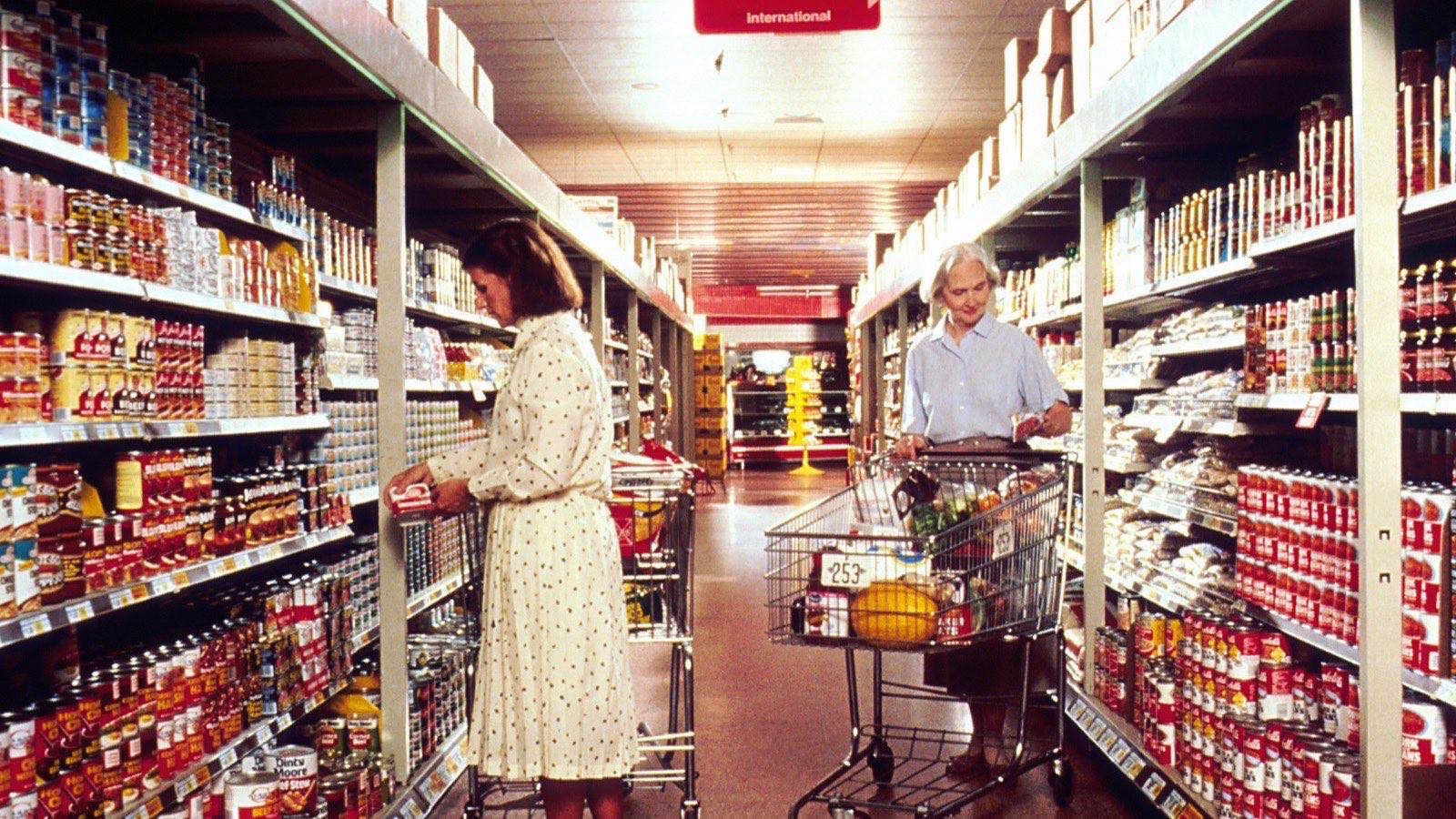
Annie's Homegrown got bought by General Mills in 2014, for roughly $820 million. Ten years later, in September 2024, Annie's mac and cheese got a new recipe — and depending on who you ask, that's either proof the deal worked out fine, or proof of exactly what happens once a "keeps it real" brand starts answering to a public conglomerate. Here's what's actually documented on both sides of that story, and five brands that structured themselves so the question never comes up.
What actually happened to Annie's
General Mills acquired Annie's in September 2014 for about $820 million, and Annie's kept its own logo, its own website, its own "we're the good guys" branding. Nothing about the acquisition itself changed a single ingredient.
What changed was a decade later. In September 2024, General Mills rolled out a new Annie's mac and cheese recipe it called a "delightful upgrade" with "even more ooey gooey real cheese." That's General Mills' own framing, and it's worth taking at face value — there's no independent lab test showing the new recipe is worse on paper. But longtime customers didn't agree, flooding the product's reviews with one-star ratings, several of them some version of "tastes NOTHING like it used to." Whatever the ingredient panel says, the thing people were actually buying — a specific taste they grew up on — changed the moment the parent company decided it should.
Kashi's version of the same story, but with a lawsuit attached
Kashi is the sharper example. Kellogg's bought Kashi in 2000, kept the brand's "all natural" identity front and center, and kept selling cereal built partly on hexane-processed soy protein isolate — hexane being an industrial solvent used to strip oil out of soybeans, not an ingredient most people picture when they read "all natural" on a cereal box. That gap between labeling and process became a class action, Astiana v. Kashi Co., settled in May 2014 for $5 million, after which Kashi agreed to drop the "All Natural" and "Nothing Artificial" claims from the affected products. The lawsuit didn't argue the ingredients were unsafe — it argued the label lied about what was actually used to make them.
Five brands that structured themselves so this can't happen
None of this is really about Annie's or Kashi doing anything illegal — the recipe change was disclosed, and Kashi settled its case and moved on. It's about ownership. When a founder-run brand sells to a public conglomerate answering to shareholders every quarter, "the recipe" stops being a promise and starts being a line item. A handful of well-known brands have deliberately avoided that setup:
- Organic Valley isn't owned by a corporation at all — it's a cooperative, owned outright by the "1,500+ small family farms" that actually produce its milk, meaning the people who profit from the brand are the same people whose name is on the deed to the farm.
- Tillamook has run the same way since 1909, when ten independent Oregon creameries banded together into one cooperative rather than compete each other out of business or sell to a bigger buyer.
- King Arthur Baking, founded in 1790, began converting to an employee stock ownership plan in 1996 and has been 100% employee-owned since 2004 — there's no outside shareholder to satisfy, because the employees baking the flour are the shareholders.
- Bob's Red Mill followed a similar path more recently: founder Bob Moore started transferring ownership to his employees through an ESOP in February 2010, and by April 2020 the company was 100% owned by its 700-plus employees.
- Force of Nature is the closest thing to a control group here. Its founders, Taylor Collins and Katie Forrest, built EPIC Provisions and sold it to General Mills in 2016 for a reported $100 million — then watched what came next, walked away, and started over with Force of Nature to focus on regenerative bison, elk and venison instead.
What this actually tells you
- A buyout isn't automatically bad, and it isn't automatically hidden either. Annie's recipe change was announced in a press release; nothing about it was disclosed quietly. The lesson isn't "never trust an acquired brand" — it's that the same brand under new ownership can and does change without anyone doing anything wrong.
- "All natural" is a marketing claim, not a legal standard. The FDA has no formal definition of "natural" on food labels, which is exactly the gap Kashi's hexane-processed soy protein fell into — legal to use, arguably not what a shopper pictures when they read the word.
- Ownership structure is a real, checkable fact. A cooperative or an ESOP isn't a marketing claim — it's a legal structure you can look up, and it changes who actually benefits when the company succeeds.
Scan the label yourself on the Tallow app before you decide whether a "keeps it real" brand still does.
Figures and facts in this post are sourced from the company reporting, court records and press coverage linked above, current as of the time of writing. This is not financial or legal advice.